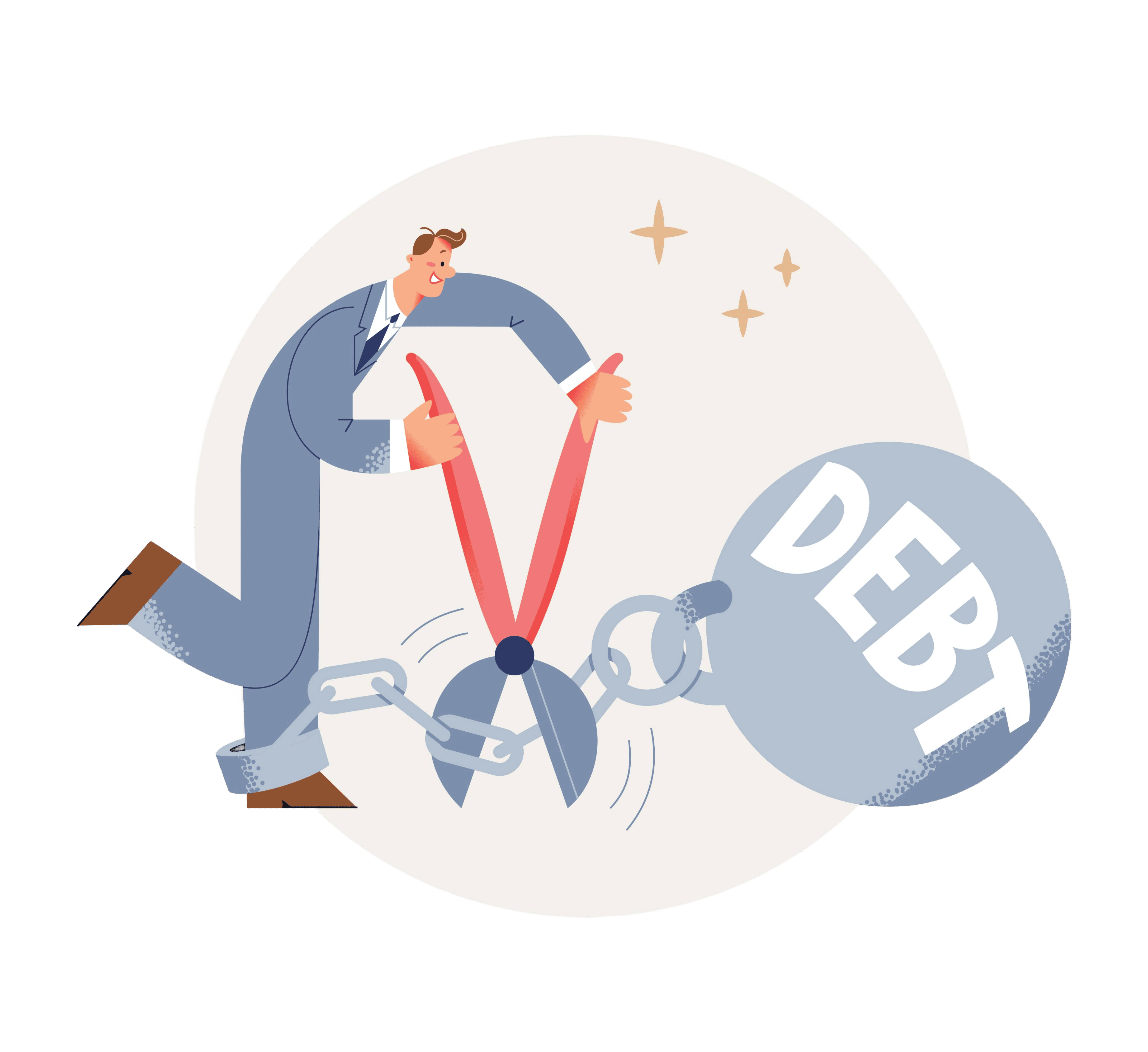
Why Debt Management Matters
Unmanaged debt can derail your financial goals, increase stress, and limit your financial freedom. Understanding and managing your debt is crucial for long-term financial wellness.
Financial Stress
High debt loads increase anxiety and impact mental health
Limited Savings
EMI payments reduce your ability to save and invest
Goal Delays
Debt obligations postpone important life milestones
Effective Debt Reduction Strategies
Two powerful approaches to systematically eliminate your debt and regain financial control
Debt Avalanche Method
Focus on paying off debts with the highest interest rates first. This mathematically optimal approach saves you the most money in interest payments over time.
- List all debts by interest rate (highest to lowest)
- Make minimum payments on all debts
- Put extra money toward the highest interest debt
- Once paid off, move to the next highest rate
- Repeat until debt-free
Debt Snowball Method
Pay off your smallest debts first, regardless of interest rate. This creates quick wins and psychological momentum that keeps you motivated.
- List all debts by balance (smallest to largest)
- Make minimum payments on all debts
- Put extra money toward the smallest debt
- Celebrate each paid-off debt
- Snowball payments to the next smallest debt
Understanding Good Debt vs Bad Debt
Good Debt
Debt that helps you acquire assets that appreciate in value or generate income. These investments can improve your financial position over time.
- Home loans (Property appreciates)
- Education loans (Increases earning potential)
- Business loans (Generates income)
- Investment property loans
Bad Debt
Debt used to purchase depreciating assets or consumables. These don't build wealth and often come with high interest rates that compound your financial burden.
- Credit card debt for shopping
- Personal loans for vacations
- Vehicle loans (Depreciates quickly)
- Payday loans or high-interest loans
Smart Debt Management Tips
Track Your Debt-to-Income Ratio
Keep your EMI payments below 40% of your monthly income for healthy financial management
Create a Debt Repayment Budget
Allocate specific amounts monthly toward debt reduction and stick to your plan
Avoid New Debt
Stop accumulating new debt while paying off existing obligations
Consolidate When Possible
Consider debt consolidation to lower interest rates and simplify payments
Negotiate with Lenders
Contact creditors to negotiate lower interest rates or better repayment terms
Build Emergency Fund
Even while paying debt, maintain a small emergency fund to avoid new borrowing
Ready to Take Control of Your Debt?
Let's create a personalized debt management strategy that works for your unique situation
Get Your Free Consultation